
ADVANCED FABRICATION & TECHNOLOGY
WE ARE THE CUTTING EDGE OF TECH
Our fabrication facility utilizes modern CAD/CAM manufacturing processes and advanced equipment to support the design and production of custom orthotic and prosthetic devices. Our experienced technical team works closely with clinicians to ensure accuracy, consistency, and quality at every stage of fabrication.
By keeping fabrication in house, Yanke Bionics is able to:
• Maintain tighter quality control
• Improve turnaround times
• Support customization for individual patient needs
Our Akron facility also includes a conference and media room used for ongoing technical education, internal training, and collaboration with members of the medical community.
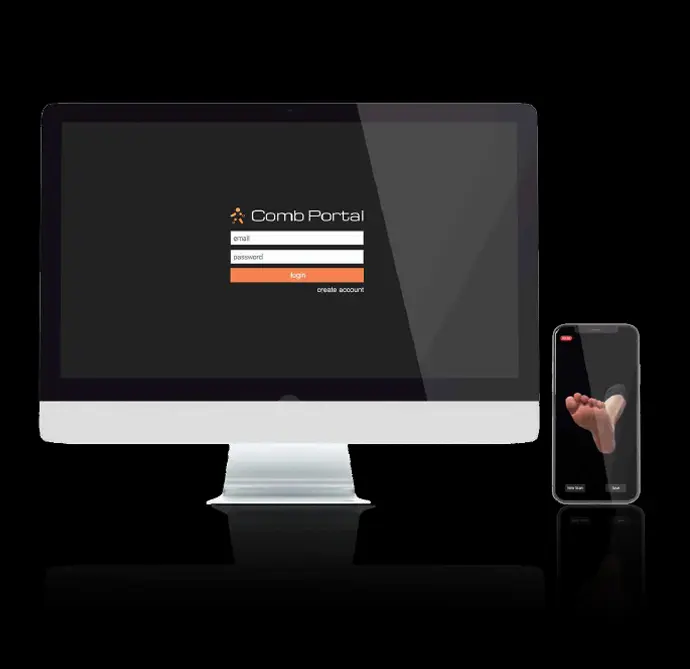
COMB™ MOBILE 3D SCANNING
3D scanning using a smartphone — simple, accurate, and efficient.
COMB is a mobile 3D scanning platform that allows clinicians to capture detailed anatomical scans using a smartphone. By moving the phone smoothly around the limb, a complete 3D model is created and reviewed digitally before moving into design and fabrication.
This scanning approach can reduce the need for traditional casting in many cases while still providing accurate data for custom orthotic and prosthetic devices.
Why it matters:
COMB supports faster capture, digital consistency, and a more comfortable experience for patients—especially when traditional casting is not ideal.
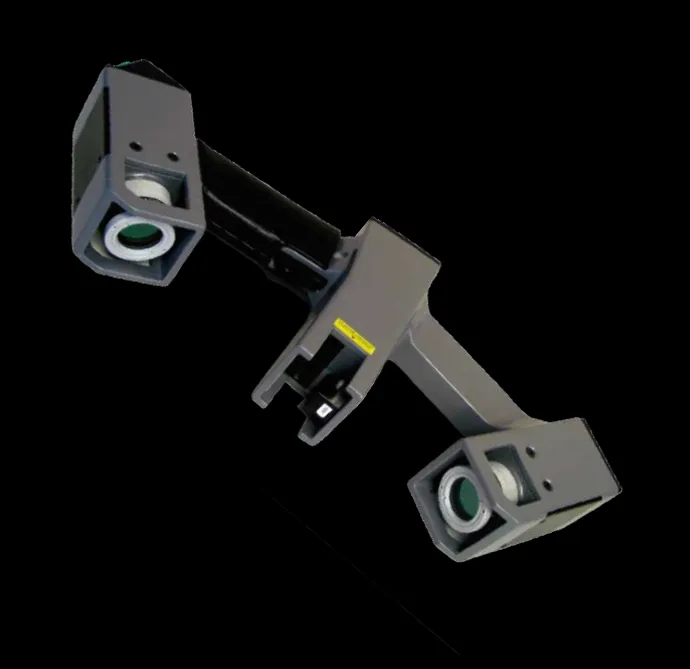
FASTSCAN SCORPION™
High-speed scanning adapted from motion-capture technology.
FastSCAN Scorpion is a high-resolution optical scanning system derived from motion-capture technology originally developed for Hollywood and adapted specifically for orthotics and prosthetics. It allows detailed anatomical data to be captured quickly and accurately.
Yanke Bionics was one of the first two companies in the United States to adopt FastSCAN Scorpion, helping lead our early transition to a fully digital workflow. This technology became a foundation for improving design accuracy and fabrication efficiency.
Why it matters:
Early adoption of advanced scanning technology supports better-fitting, more comfortable devices with quicker turnaround times for patients.
DIRECT SOCKET™
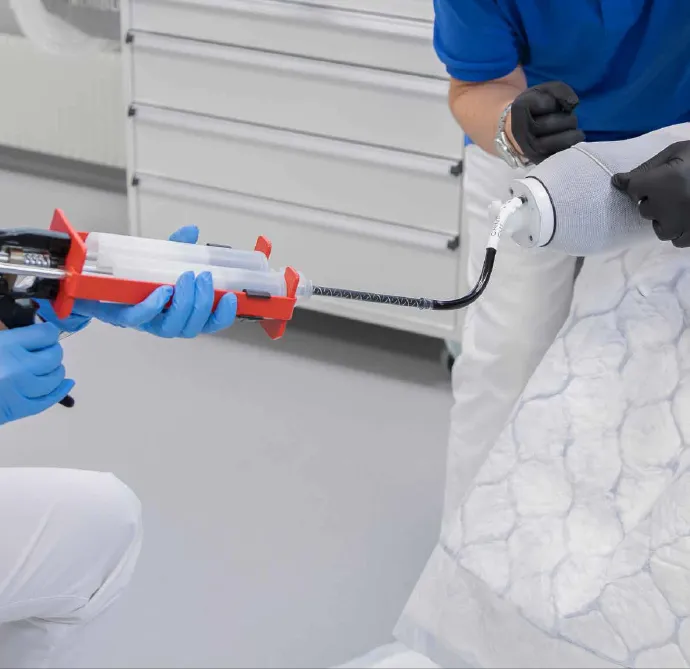
A same-day approach to prosthetic socket fabrication.
Direct Socket is a prosthetic socket fabrication method in which the socket is built directly on the patient’s residual limb using a controlled, standardized process. This allows fit, comfort, and alignment to be evaluated and adjusted in real time during the visit.
Yanke Bionics is currently the only provider offering Direct Socket in Northeast Ohio and one of the largest users of this technology in the state.
Why it matters:
With Direct Socket, patients can leave their appointment with a finished prosthesis designed and fabricated directly on them, allowing immediate confidence in fit and comfort.
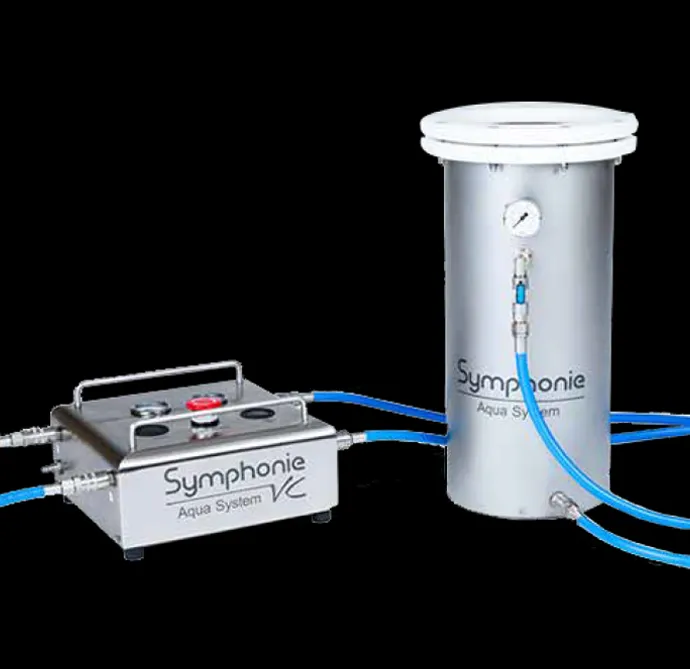
SYMPHONIE® CASTING SYSTEM
Capturing anatomy under real-world conditions.
The Symphonie casting system is a hydrostatic, weight-bearing casting method that captures the residual limb while the patient is standing. This allows the cast to reflect how the limb behaves under load, rather than in a non-weight-bearing position.
The system uses water pressure to distribute force evenly around the limb during casting.
Why it matters:
Weight-bearing casting can support improved comfort, suspension, and stability by accounting for how the limb changes during standing and walking.
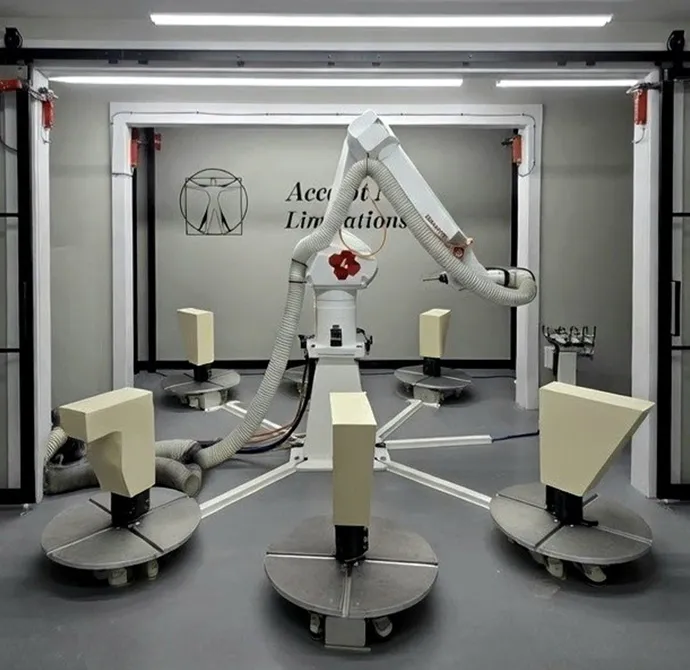
QWADRA VICTOR™ UNLIMITED ROBOTIC CARVER
Robotic fabrication scaled for precision and capacity.
The Qwadra Victor Unlimited robotic carving system converts digital designs into physical forms with high accuracy and repeatability. “Unlimited” refers to the system’s flexible configuration options, including multiple turntables, carving beds, and carving walls.
Yanke Bionics’ Victor Unlimited setup—featuring six turntables—is unique in the United States in both configuration and scale, allowing higher fabrication capacity without sacrificing precision.
Why it matters:
Increased capacity and digital consistency help support faster turnaround times while maintaining accurate, repeatable results for patient devices.
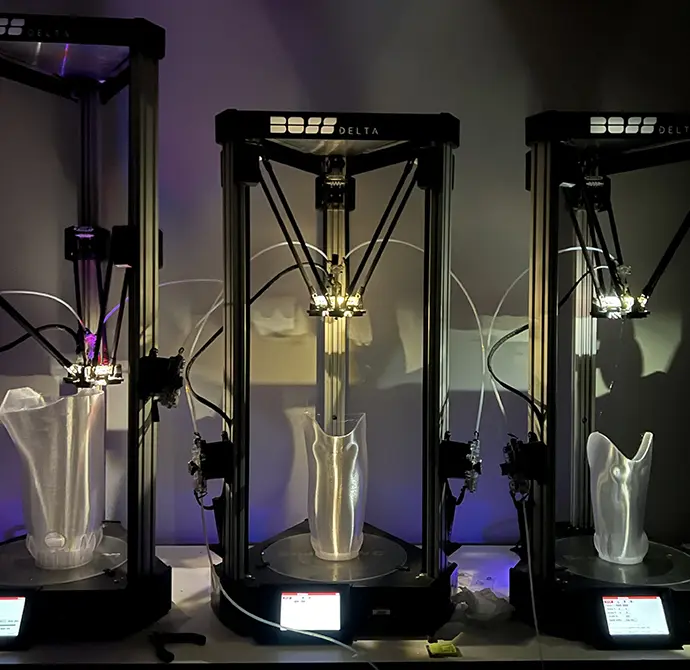
IN-HOUSE 3D PRINTING LAB
Expanding customization through additive manufacturing.
Our in-house 3D printing lab allows components to be produced directly from digital designs using additive manufacturing. This supports complex shapes, rapid prototyping, and targeted customization that can be difficult to achieve with traditional fabrication methods.
Printed components may be used for test sockets, braces, interfaces, and specialized parts as part of a broader digital workflow.
Why it matters:
3D printing increases flexibility, supports faster iteration, and helps tailor devices more precisely to individual patient needs.
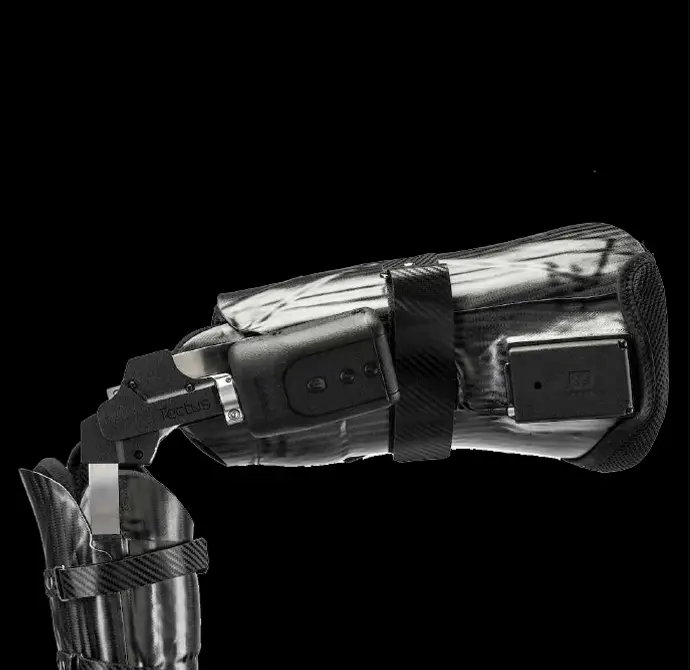
MICROPROCESSOR CONTROLLED ORTHOSES
Smart bracing that responds in real time.
Microprocessor controlled orthoses use onboard sensors and computer technology to dynamically adjust support as a person walks, stands, sits, or navigates uneven terrain. Unlike traditional braces that operate at fixed settings, microprocessor systems continuously adapt to movement.
Why it matters:
Real-time response can improve stability, support smoother walking, and help reduce fall risk during daily activities.
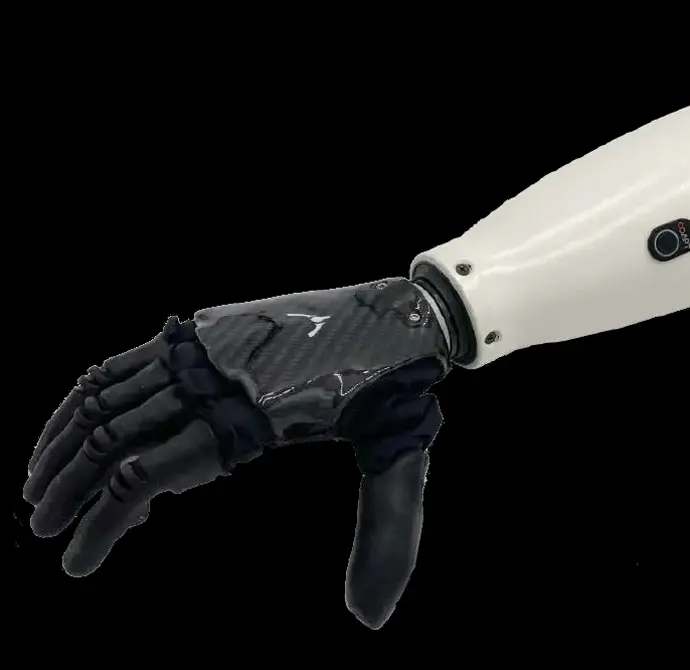
MYOELECTRIC & ADVANCED UPPER LIMB PROSTHETICS
Restoring movement through muscle signals.
Myoelectric prosthetic devices use electrical signals generated by muscles in the residual limb to control powered components such as hands, wrists, or elbows. Sensors detect these signals and translate them into movement, allowing more intuitive control.
Advanced upper-limb systems support everyday tasks requiring grip strength, precision, and coordination.
Why it matters:
Myoelectric technology allows users to control their prosthesis using their own muscle activity, supporting functional movement and independence.
VACUUM SUSPENSION & ADVANCED SOCKET SYSTEMS
Maintaining fit as the body changes.
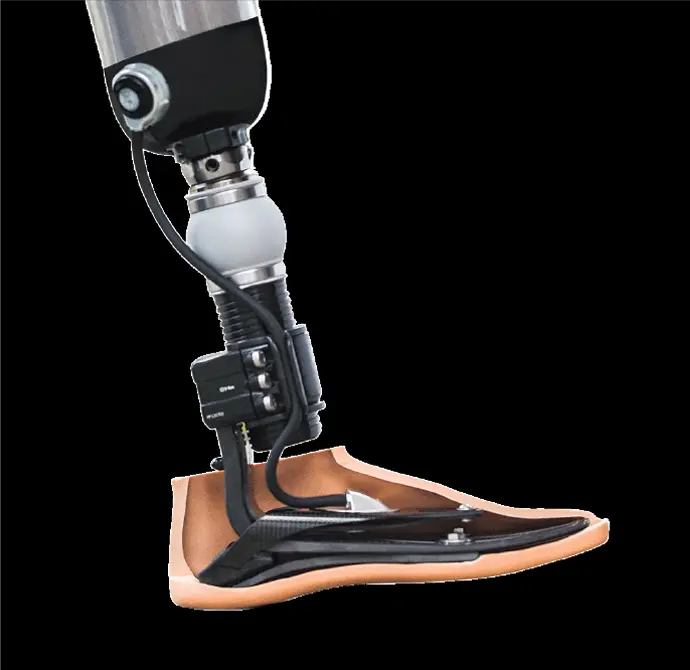
Vacuum suspension systems help maintain consistent contact between the residual limb and prosthetic socket by actively managing air pressure. This can reduce movement within the socket and help accommodate daily volume changes.
These systems are often paired with custom socket designs to enhance comfort and stability.
Why it matters:
Improved suspension can lead to a more secure feel, fewer adjustments, and better comfort throughout the day.
ADJUSTABLE SOCKET TECHNOLOGY
Fine-tuning comfort without removing the prosthesis.
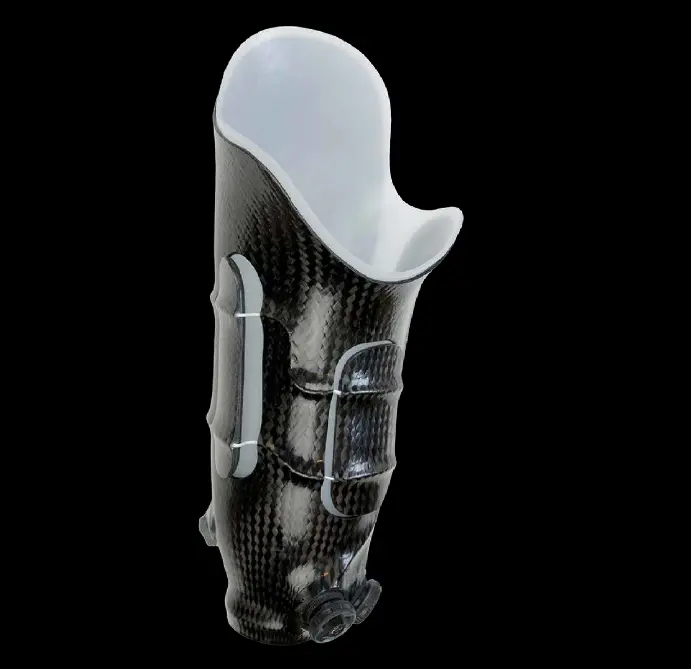
Adjustable socket systems allow small fit changes using mechanical adjustment components. This enables users to respond to daily limb volume changes without removing the prosthesis or repeatedly adding and removing socks.
Adjustments can often be made while seated, standing, or fully dressed.
Why it matters:
Greater adjustability helps maintain comfort throughout the day and gives patients more control over their fit.
CRANIAL SCANNING & DIGITAL ORTHOTIC DESIGN
Capturing anatomy with digital precision.
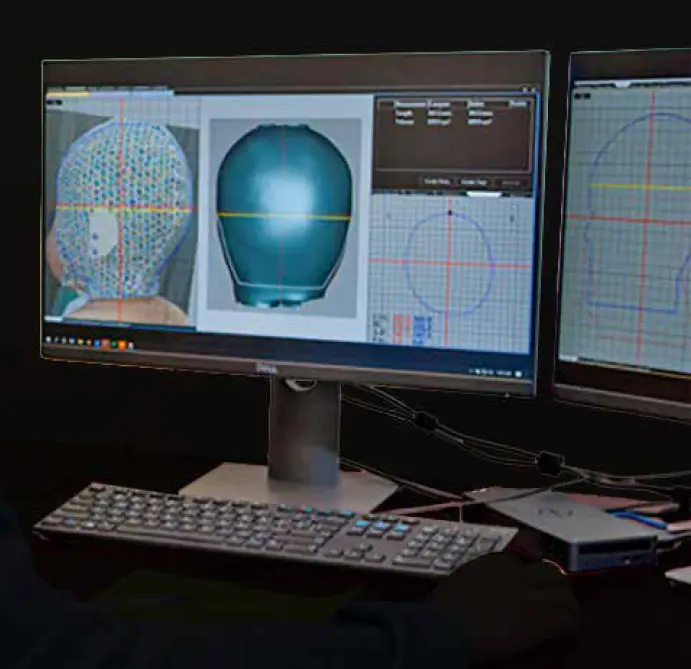
Cranial and pediatric orthotic scanning uses non-invasive digital imaging to capture head shape and anatomy. These scans are used to design orthotic devices digitally, supporting accuracy and consistency in fabrication.
Digital workflows can also support progress tracking and reduce the need for repeated physical impressions.
Why it matters:
Digital scanning enables precise, repeatable results.